








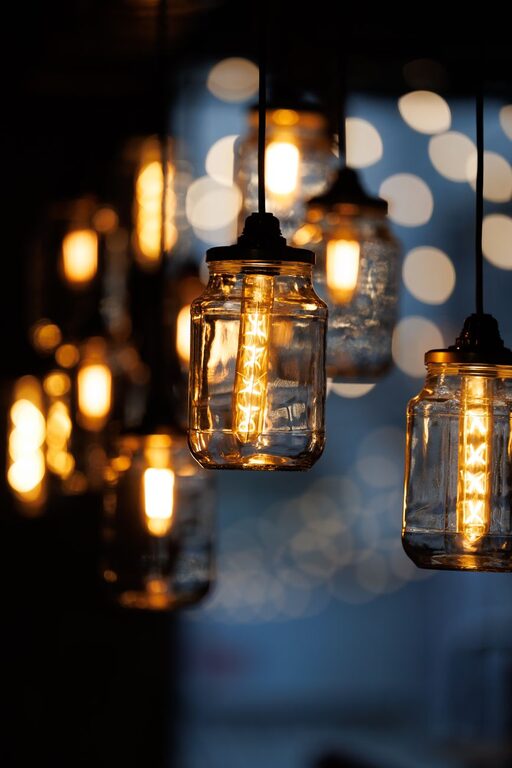
Creating a comfortable atmosphere at home often starts with the right lighting. Proper lighting not only brightens your space but also influences how you feel and interact in your environment. Choosing the right home lighting can enhance your mood, improve productivity, and reduce eye strain. This guide offers helpful tips to select lighting that balances comfort, aesthetics, and practicality.
Understanding the Basics of Home Lighting
Before diving into specific tips, it’s important to understand the three main types of lighting used in most homes:
– Ambient Lighting: This is the general lighting that uniformly illuminates a room, such as ceiling-mounted fixtures or recessed lights.
– Task Lighting: Focused lighting designed to help with activities like reading, cooking, or working. Examples include desk lamps, under-cabinet lights, and pendant lights over a kitchen island.
– Accent Lighting: Used to highlight decorative features like artwork, plants, or architectural details.
Balancing these layers of lighting creates a warm, functional, and comfortable space.
Tips for Choosing Comfortable Home Lighting
1. Consider the Purpose of Each Room
Each room has different lighting needs based on its function:
– Living Room: Use a combination of ambient and accent lighting to create a cozy atmosphere. Floor lamps and table lamps work well here.
– Kitchen: Bright task lighting is essential, especially over countertops and cooking areas. Consider adjustable fixtures to focus light where it’s needed.
– Bedroom: Soft, warm lighting helps promote relaxation. Use dimmable lights and bedside lamps for reading.
– Bathroom: Use bright, shadow-free task lighting near mirrors to assist with grooming.
Knowing the specific needs helps you choose appropriate brightness levels and types of fixtures.
2. Choose the Right Bulbs with Suitable Color Temperature
Light bulbs come in various color temperatures, measured in Kelvin (K):
– Warm White (2700K–3000K): Produces a cozy, yellowish glow ideal for bedrooms and living rooms.
– Cool White (3500K–4100K): Offers a neutral, bright light suitable for kitchens and bathrooms.
– Daylight (5000K–6500K): Mimics natural daylight and is good for detailed tasks but can feel harsh in living spaces.
For comfortable home lighting, warm to neutral white bulbs are generally best.
3. Opt for Adjustable and Dimmable Lights
Lighting needs change throughout the day and with different activities. Installing dimmers and adjustable fixtures allows you to control brightness as needed. This flexibility increases comfort and can help save energy.
4. Prioritize Energy Efficiency
LED bulbs consume less energy and last longer than traditional incandescent bulbs. They are available in various color temperatures and dimmable options. Investing in energy-efficient lighting reduces electricity bills and environmental impact.
5. Avoid Glare and Harsh Shadows
Glare and uneven lighting can cause discomfort and eye strain. To minimize this:
– Choose fixtures with diffusers or shades to soften light.
– Position lights to avoid direct exposure to the eyes.
– Combine multiple light sources to reduce harsh shadows.
6. Match Lighting Style with Home Decor
The fixture’s design influences the overall ambiance. Whether you prefer modern, rustic, or traditional styles, pick lighting that complements your interior décor while fulfilling functional needs.
7. Use Smart Lighting for Convenience
Smart bulbs and lighting systems allow you to customize brightness and color temperature via smartphone apps or voice commands. This technology enhances comfort and allows for easy adjustments to suit different moods and times of day.
Additional Considerations
– Light Placement: Pay attention to where light fixtures are installed. Ceiling height and wall colors affect how light spreads in a room.
– Safety: In areas like stairs and hallways, ensure lighting is sufficient to prevent trips and falls.
– Maintenance: Choose fixtures that are easy to clean and bulbs that are easy to replace.
Conclusion
Comfortable home lighting enhances your living experience by balancing function and style. Focusing on the room’s purpose, selecting proper bulbs, controlling brightness, and minimizing glare are key steps toward creating cozy and inviting spaces. Incorporate these tips to enjoy a well-lit home that supports your daily activities and relaxation.
Remember, the right lighting makes a house feel like a home.