






Paper clutter is a common challenge for many households. Bills, receipts, junk mail, school papers, and various documents can quickly pile up, creating chaos and stress. Fortunately, reducing paper clutter is achievable with some simple habits and practical strategies. In this post, we’ll explore easy ways to manage household papers, helping you maintain a neater and more organized home.
Why Reduce Paper Clutter?
Paper clutter not only makes your home look messy, but it can also cause you to lose important documents, waste time searching for information, and increase stress. Cutting down on paper clutter leads to:
– A cleaner, more spacious area
– Easier access to important documents
– Improved focus and peace of mind
– Reduced waste and environmental impact
Now, let’s dive into practical tips you can start using today.
1. Sort and Categorize Your Papers Regularly
One of the best ways to manage paper clutter is to sort through your papers on a consistent basis. Choose a set time weekly or monthly to review all incoming papers.
How to Sort Papers:
– Create categories such as Bills, Receipts, Important Documents, To-Do, and Junk Mail.
– Designate separate trays or folders for each category.
– Handle each paper only once: decide immediately whether to file, act on, or discard it.
Regular sorting prevents piles from building up and keeps your papers organized.
2. Go Digital Whenever Possible
Switching from paper to digital can drastically reduce clutter.
Tips for Going Paperless:
– Opt for electronic bills and statements from banks, utilities, and service providers.
– Use scanning apps to digitize important receipts and documents.
– Organize digital files into folders on your computer or cloud storage with clear labels and dates.
– Back up digital files regularly to avoid data loss.
Going digital not only saves space but also makes it easier to search and retrieve documents.
3. Create a Dedicated Paper Management Station
Set up a small, organized area in your home specifically for handling paper.
What to Include:
– An inbox tray for new papers
– A shredder for sensitive documents
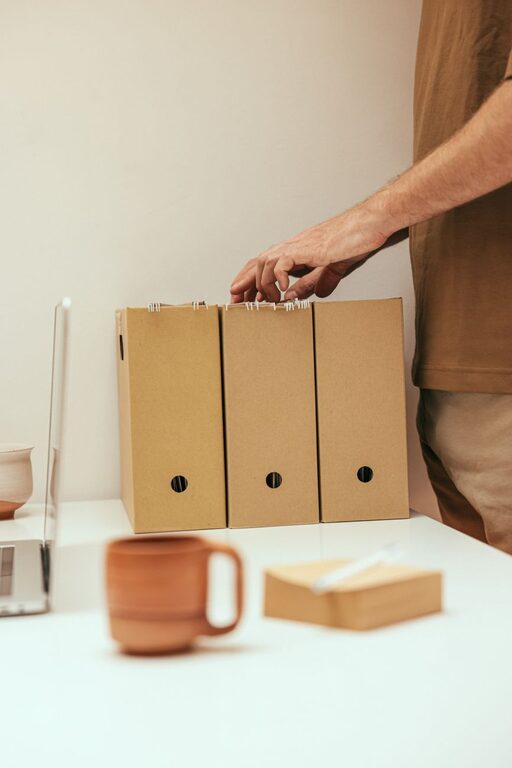
– Filing folders or binders for organizing papers
– Pens, labels, and sticky notes for marking papers
Having a dedicated space encourages you to deal with papers promptly and keeps everything centralized.
4. Regularly Purge Unnecessary Papers
Avoid keeping papers “just in case.” Periodically review your files and discard anything no longer needed.
What to Toss:
– Junk mail and advertisements
– Expired coupons
– Old receipts not required for returns or taxes (check your local guidelines)
– Outdated manuals and warranties
Use a shredder for documents containing personal information to protect your privacy.
5. Use a Filing System That Works for You
A well-organized filing system makes storing and finding papers easy.
Filing System Ideas:
– Alphabetical folders for easy lookup by subject or name.
– Chronological folders sorted by date.
– Color-coded folders to visually separate categories.
– Binders with clear sleeves for frequently used papers or ongoing projects.
Keep your filing system simple and consistent to encourage regular use.
6. Limit Incoming Paper
Reducing the amount of paper you receive is a smart preventive measure.
How to Limit Incoming Paper:
– Unsubscribe from unwanted mailing lists online or contact companies to opt out of physical mailings.
– Sign up for email newsletters instead of printed versions.
– Request digital receipts at stores when available.
– Encourage schools and organizations to send notices electronically.
Less incoming paper means less sorting and less clutter.
7. Manage Kids’ School Papers Strategically
Kids’ artwork, homework, and school notices often contribute significantly to paper clutter.
Tips for Managing Kid’s Papers:
– Set up a display area for current projects (a bulletin board or fridge space).
– Keep a folder or box for important school documents.
– Regularly review old papers with your child and decide what to keep or toss.
– Photograph or scan artwork before recycling it to create a digital keepsake.
Teaching children to manage their papers helps instill good habits early.
8. Make Paper Management a Family Routine
Involve everyone in the home in managing paper clutter.
– Assign simple tasks such as sorting mail or filing documents.
– Share tips and encourage each other to maintain an organized space.
– Set reminders for regular paper decluttering sessions.
Making paper management a shared responsibility keeps clutter under control more easily.
—
Reducing household paper clutter doesn’t have to be overwhelming. With these simple strategies, you can create a system that fits your lifestyle and helps maintain a clean, organized home. Start small, stay consistent, and enjoy the benefits of a clutter-free environment!