







Reducing food waste at home is not only good for your wallet but also beneficial for the environment. When food is wasted, all the resources used to produce, transport, and store that food are wasted too. Fortunately, there are many simple ways to cut down on food waste in your daily routine. This guide will explore practical strategies you can implement right away to make the most of your groceries and contribute to a more sustainable lifestyle.
Why Reducing Food Waste Matters
Food waste contributes significantly to environmental issues such as greenhouse gas emissions and unnecessary water use. Additionally, throwing away food means losing money spent on groceries. By reducing food waste, you help conserve resources, reduce pollution, and stretch your food budget further.
Plan Your Meals and Shop Smartly
Create a Weekly Meal Plan
One of the best ways to avoid buying unnecessary food is by planning your meals ahead of time. Decide what you will eat for the week and write a shopping list based on those meals. Stick to the list to prevent impulse buys that might go unused.
Shop with a List and Avoid Overbuying
When grocery shopping, bring your meal plan and list. Avoid bulk purchases unless you are sure you can use the items before they spoil. Buying only what you need helps reduce the chance of food going bad.
Understand Expiration Dates
Labels like “sell by,” “best before,” and “use by” can be confusing. Often, foods are safe to eat after the “best before” date, which indicates quality rather than safety. Use your senses to check food freshness before discarding.
Store Food Properly to Extend Freshness
Use Airtight Containers
Storing leftovers and fresh produce in airtight containers helps keep food fresh longer by reducing exposure to air and moisture.
Keep Fruits and Vegetables Separate
Some fruits release ethylene gas, which can speed up ripening and spoilage of nearby vegetables. Store them separately to extend shelf life.
Use Your Freezer Wisely
Freezing food is an excellent way to preserve leftovers and surplus ingredients. Portion items before freezing so you can thaw only what you need.
Get Creative with Leftovers
Repurpose Meals
Transform leftovers into new dishes. For example, roast chicken can become chicken salad or soup, and stale bread can turn into croutons or bread pudding.
Keep a "Use First" Zone
Designate a spot in your fridge for items that need to be eaten soon. This visual reminder helps prioritize foods at risk of spoiling.
Compost Food Scraps
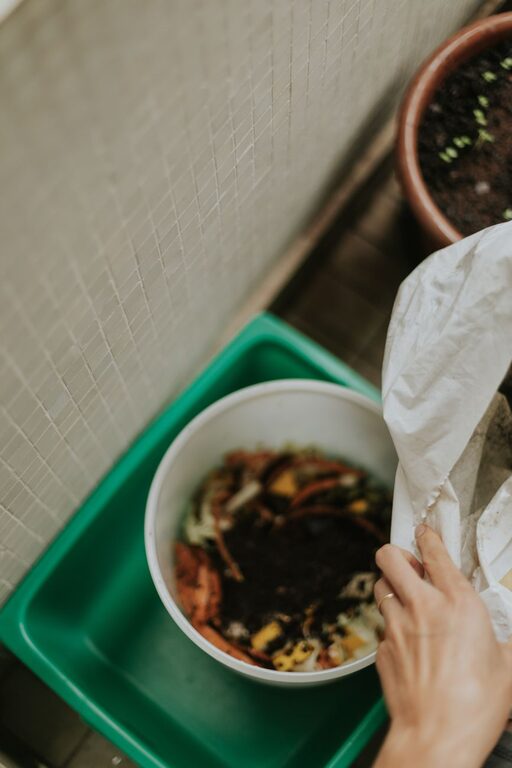
For food that is no longer edible, composting is a great option. Composting reduces waste sent to landfills and creates nutrient-rich soil for gardening.
Start a Home Compost Bin
You can compost fruit and vegetable scraps, coffee grounds, and eggshells at home. Avoid composting meat or dairy products as they can attract pests.
Educate Your Household
Involve Everyone
Encourage family members or housemates to be mindful of food waste. Share tips and create a culture of reducing waste together.
Track Your Progress
Keep a food waste diary for a week to identify where most waste occurs. This awareness can guide changes in shopping and eating habits.
Additional Tips
– Buy “ugly” or imperfect produce, which is often discarded despite being perfectly edible.
– Preserve seasonal fruits and vegetables by canning, pickling, or drying.
– Use smaller plates to help control portions and reduce uneaten food on plates.
– Serve smaller amounts and offer seconds if still hungry.
Conclusion
Reducing food waste at home is achievable with a few thoughtful changes. By planning meals, storing food properly, getting creative with leftovers, and composting scraps, you can make a big difference for your household and the environment. Start incorporating these tips today and enjoy the benefits of less waste and more savings.